I was pleasantly surprised by my results in the CQ WW RTTY Contest 2025 😊
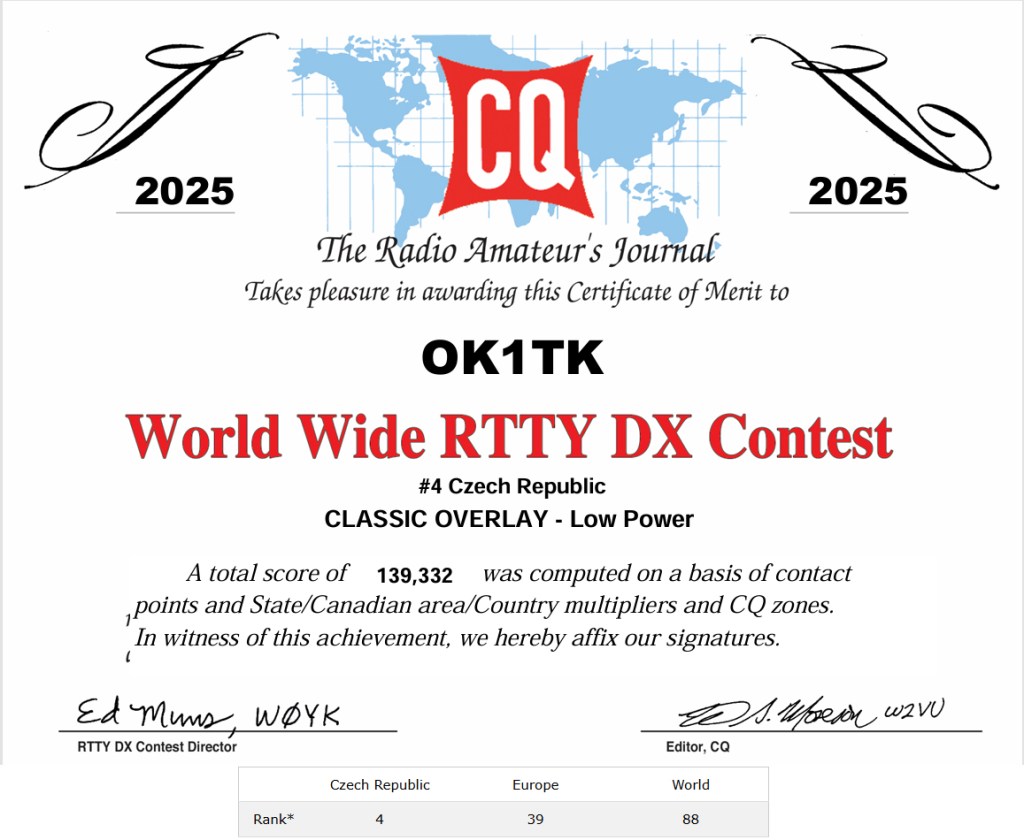
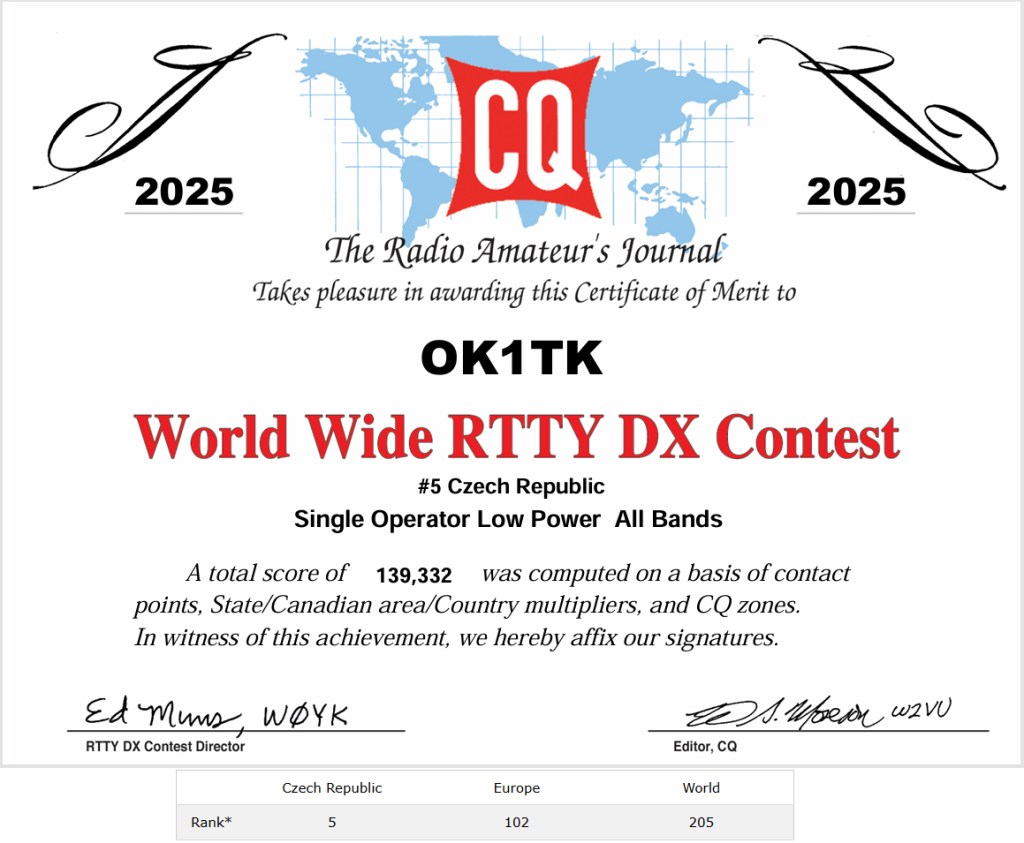
OK1TK Czech republic HAM radio station
I was pleasantly surprised by my results in the CQ WW RTTY Contest 2025 😊
On Sunday July 28th at about 10:55 UTC a made my first three QSOs via satellite. It was the Saudi-OSCAR 50 (SO-50) satellite. Unfortunately no camera was at this time. Later the same day I tried another attempt via the same satellite and I made two QSOs with Ukrainian HAM radio stations.
Prague, JO70FB, 27.07.2024, AOS 16:58
Testing our new ARROW II Satellite antenna setup with home made antenna holder mounted on a Velbon tripod. We used two OpenGD77 radios, Retevis RT3S for Rx and TYT MD-UV390 Plus 10W for Tx. With the possibility to adjust the polarisation the reception was much more better. Unfortunately there was a short inexplicable reception loss and then issues while Tx. So, more experience needed….


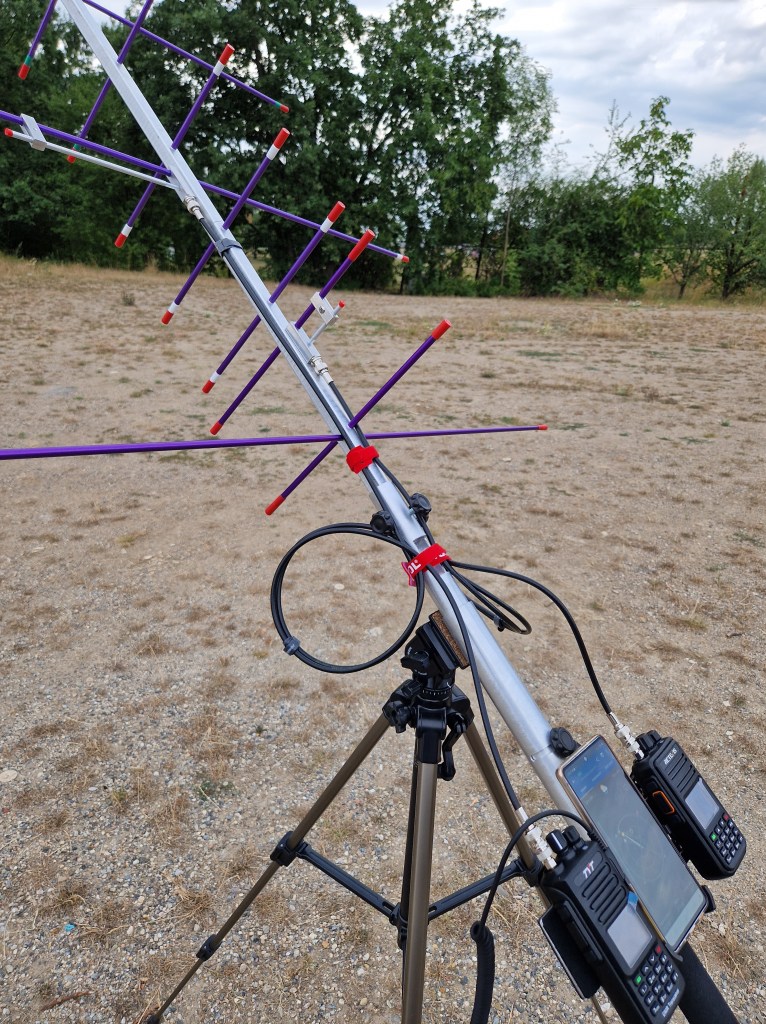

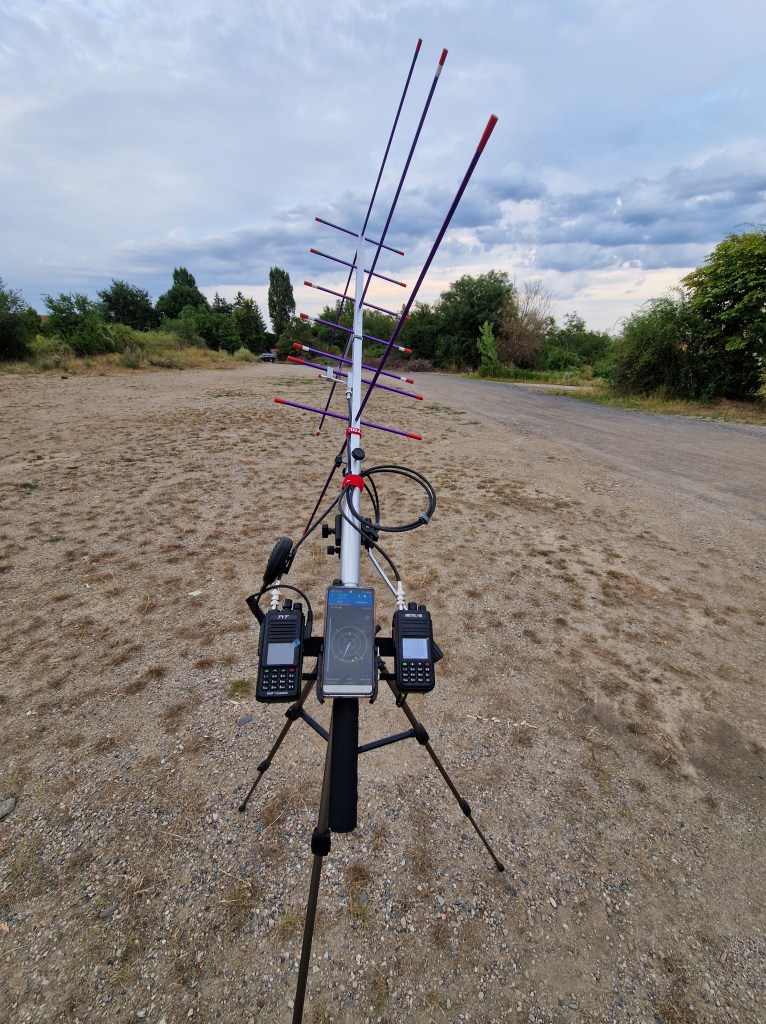
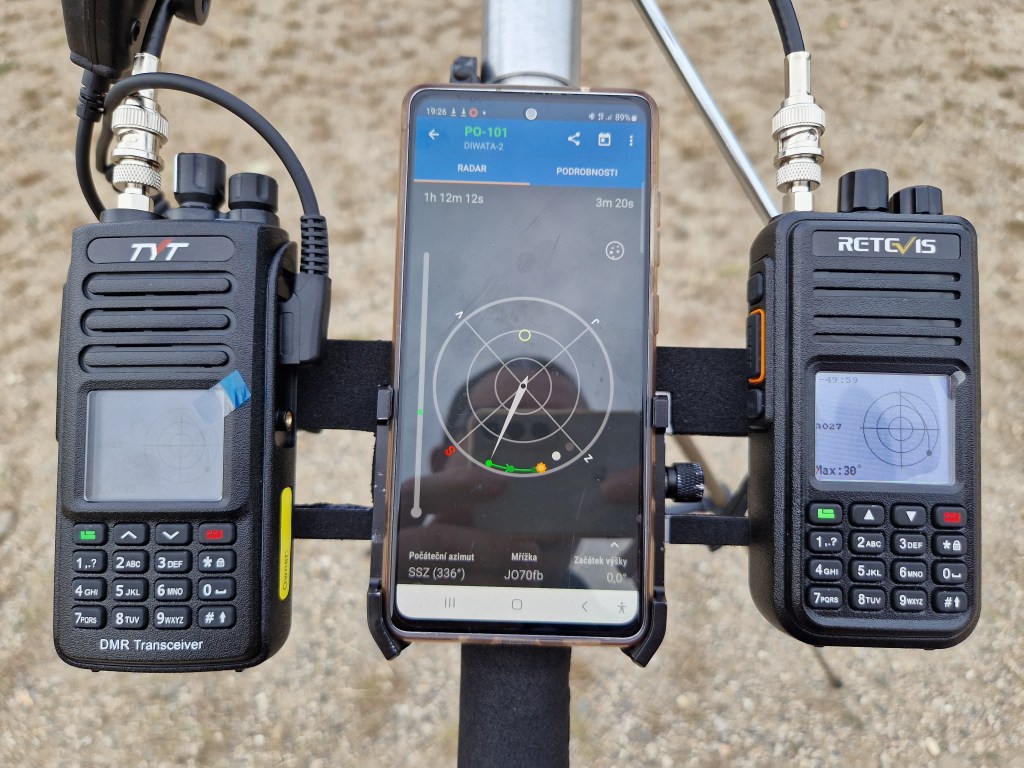
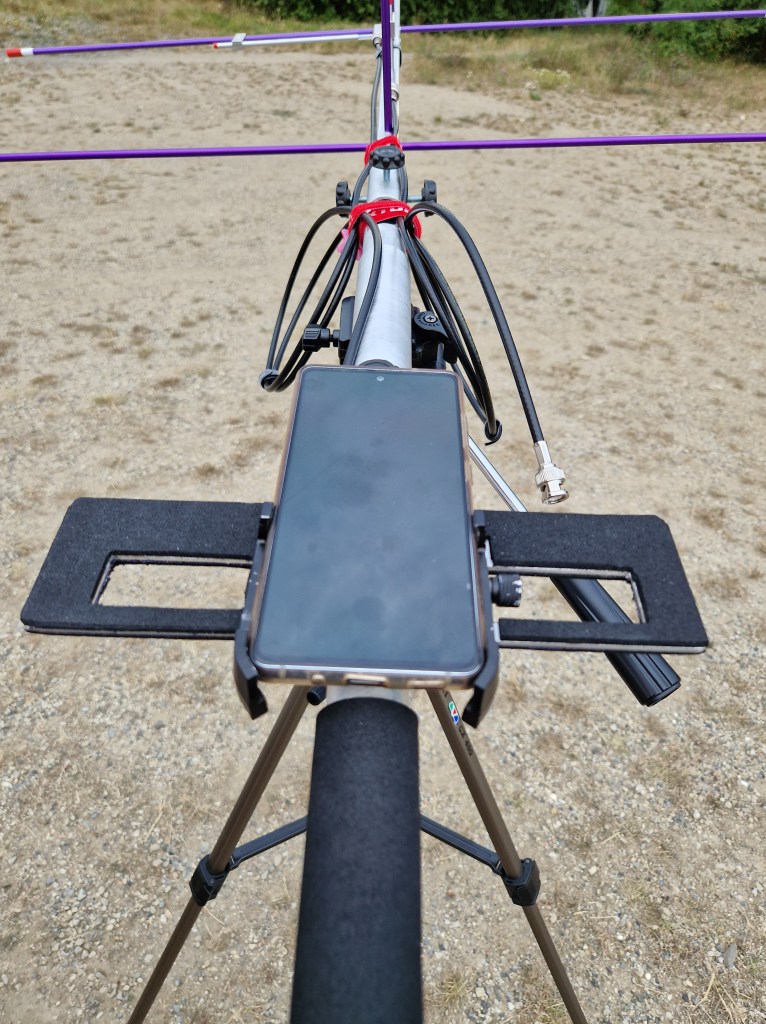
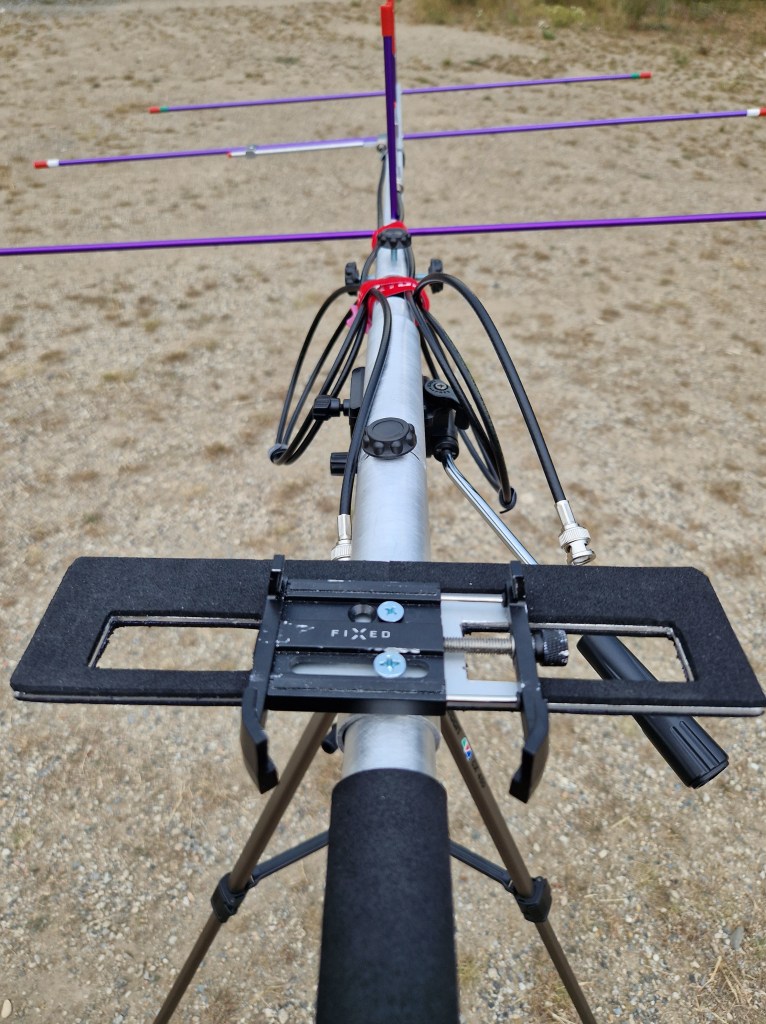
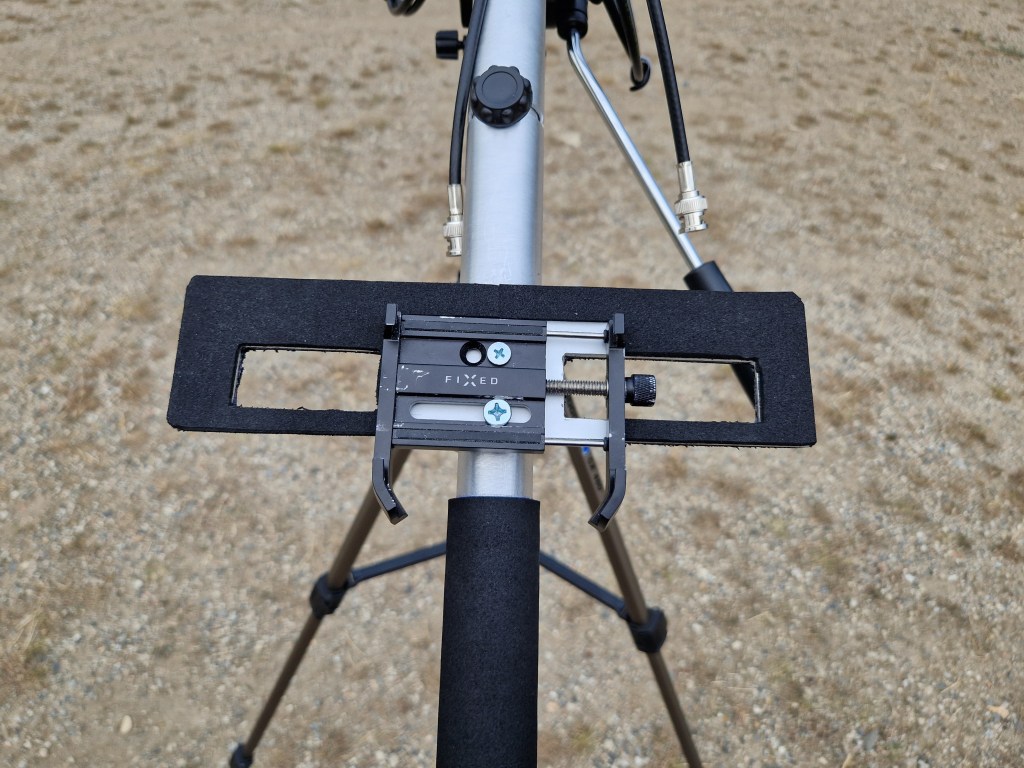
Our first test of the ARROW II portable Yagi antenna for Satellite 146/437MHz with the Radioddity GD-88 TRX. Listening to the SO-50 satellite in the JO80ac locator.
During the 87th Men’s World Ice Hockey Championship, station OK1TK and club station OK1RJO participated in a diploma contest for contacts made with occasional stations OL87DL, OL87F, OL87G, OL87HB, OL87LA, OL87OH, OL87OK, OL87SPOM, OL87OL8OL8OL , OL87W, OL87YL and received the following diplomas:
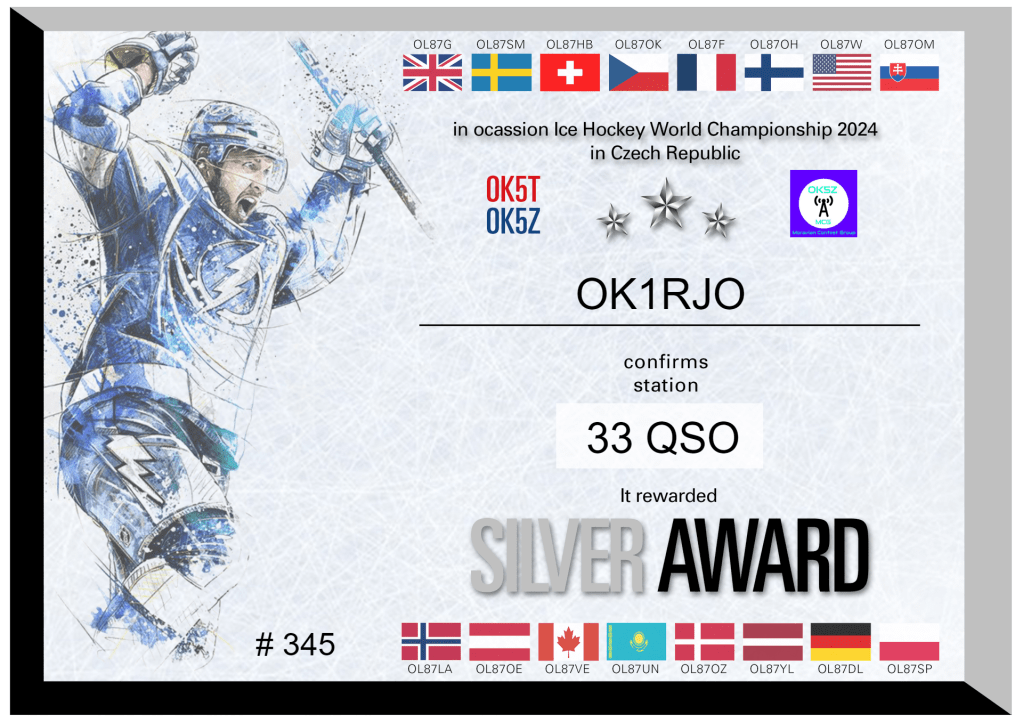

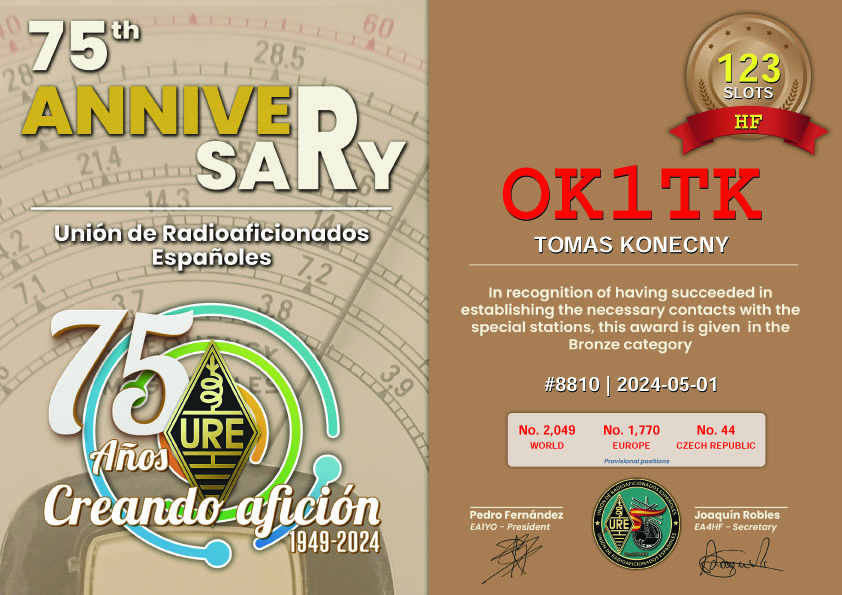
Diplomas obtained by stations mi OK1RJO and OK1TK during the month of April 2024 as part of the competition of 75th ANNIVERSARY Unión de Radioaficionados Españoles.





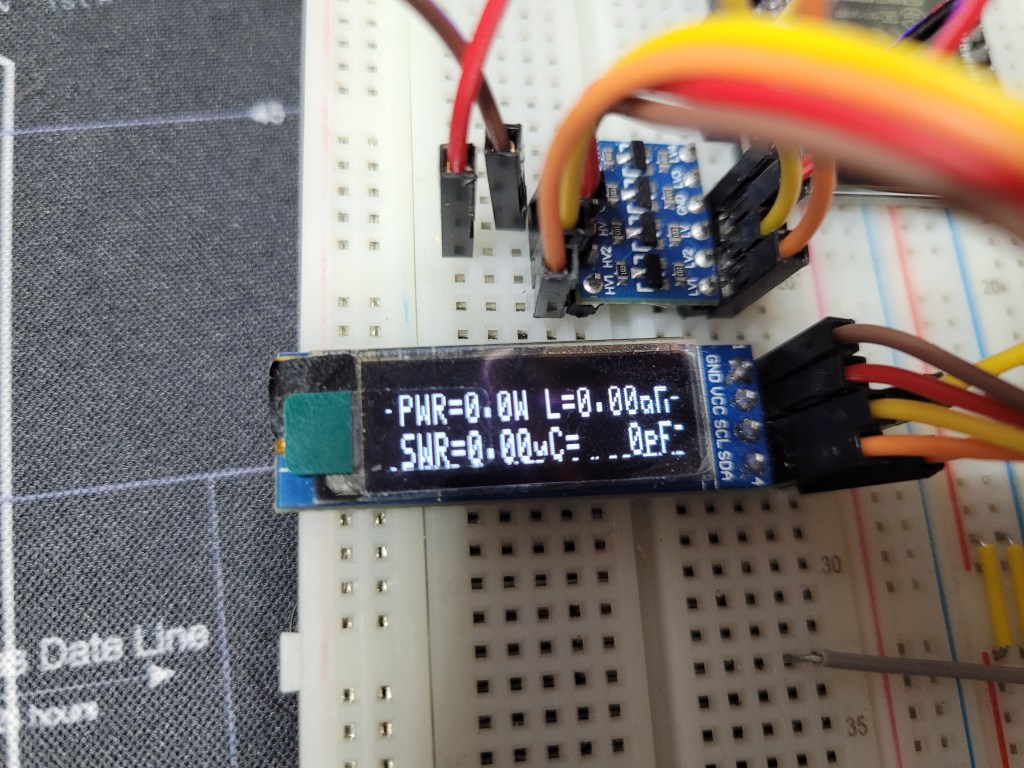
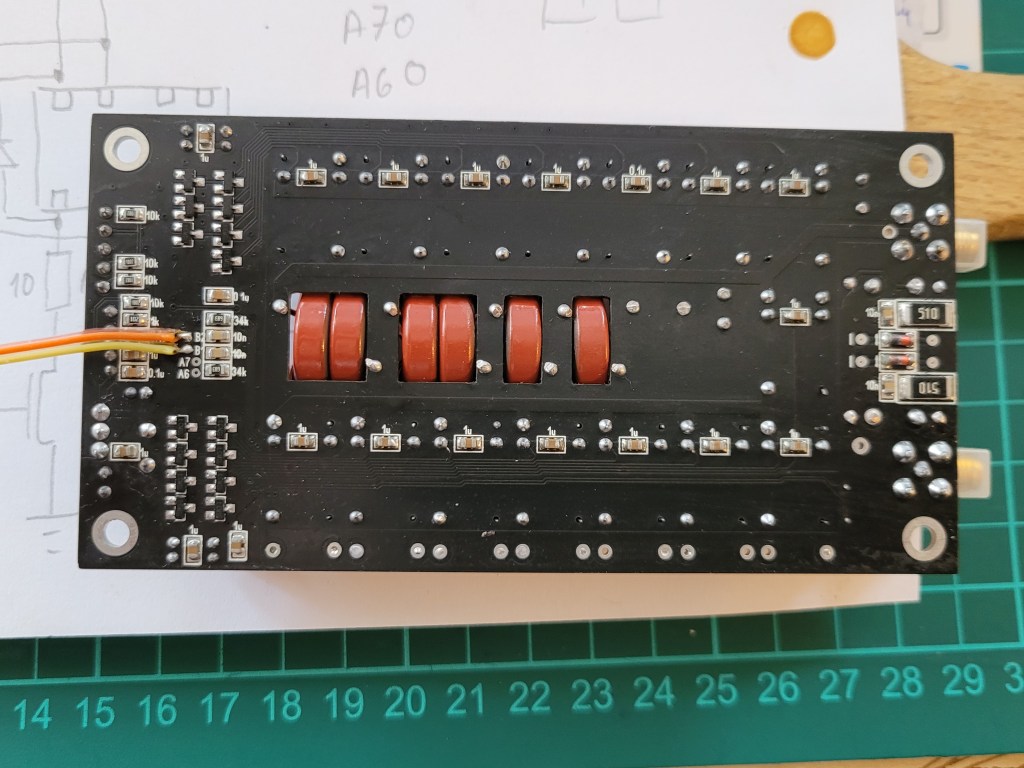
The remote controller for the automatic antenna tuner ATU-100 is still under development. The last tests show that the most difficult part – to transfer the display data via bluetooth – is most probably possible as you can see on the video below. But as you can also see there is still lots to do and improve.
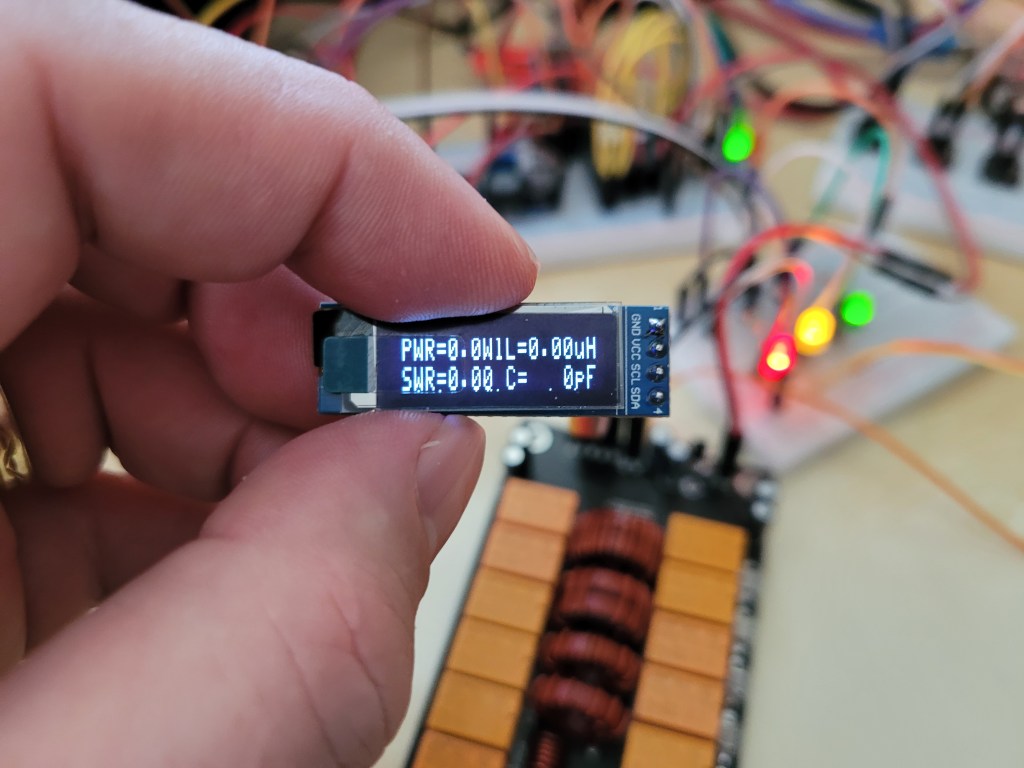
Also the picture below shows that it might work with some small improvements. The OLED display in the video and and on the pictures below shows the data captured on the tuner’s I2C BUS using ESP32 microcontroller which proccessed the data and transfer the data via bluetooth to another ESP32 microcontroller which receives the data and send them to the I2C BUS of an OLED display.

Anyway letš go back to work. And …. if there is someone capable to help with the development in the ESP-IDF let me know.
The third test was to completely test the ATU-100 functionality and that the all buttons control works remotely via Bluetooth. I tried to turn ON/OFF the tuner and then tested the functionality of the TUNE/RESET, AUTO and BYPASS buttons with the corresponding response on the OLED display. The video below shows that the whole functionality works correctly. All the responses were visible on the OLED display:
RESET -> short prest of the RESET/TUNE button
TUNE -> long press of the RESET/TUNE button
AUTO -> press of the AUTO button (indicated by the „.“ between the PWR and L)
BYPASS -> press of the BYPASS button (indicated by „_“ between the PWR and L)
After the buttons functionality test I tried to enter the both test modes described below.
FAST TEST MODE
To enter the Fast Test Mode we press at the same time TUNE/RESET + AUTO + BYPASS buttons and then we apply the POWER button to turn the ATU-100 ON.
The Fast Test Mode switches the all relays to the ON state and connects all the inductances and capacitances at once.
In my case I could see the current consumption increased from ca 120 mA to 330 mA (the consumptions includes the Arduino Nano, HC-05, LEDs and tuner together).


THE TEST MODE
To enter the Test Mode we press at the same time AUTO + BYPASS buttons and then we apply the POWER button to turn the ATU-100 ON.
At the Test Mode we can check the inductances and capacitances individually by pressing the AUTO button to decrease the value and BYPASS button to increase the value. By the long press of the TUNE/RESET button we can switch between the inductances test and capacitances test.





 OK1TK HAM Radio